
Development of Collaborative Robots
- Ilakk Manoharan
- May 14, 2023
- 3 min read

Mission Statement:
Our mission is to revolutionize the world of robotics by developing cutting-edge technologies that enhance human-robot interaction and improve automation in various industries. Our proposed project is aimed at creating a new generation of collaborative robots that are safe, intuitive, and adaptable to a wide range of tasks.
With the growing demand for automation in manufacturing, logistics, healthcare, and other sectors, there is a need for robots that can work alongside humans and complement their skills. However, current robots are often too rigid, unsafe, or difficult to program, which limits their versatility and efficiency.
Our project aims to address these challenges by leveraging the latest advances in machine learning, computer vision, and sensor technology. Our robots will be designed to learn from human demonstrations, adapt to different environments, and interact with humans in a natural and intuitive way.
We believe that our technology has the potential to transform the way humans and robots collaborate, enabling new applications in areas such as precision manufacturing, logistics automation, and healthcare assistance. We are seeking investment from venture capitalists who share our vision and are willing to support us in realizing this mission.
Project Title: Development of Collaborative Robots
Project Purpose: The purpose of this project is to develop a new generation of collaborative robots that are safe, intuitive, and adaptable to a wide range of tasks, in order to enhance human-robot interaction and improve automation in various industries.
Project Objectives:
Develop a modular robot architecture that allows for easy customization and scalability.
Integrate state-of-the-art machine learning, computer vision, and sensor technology to enable robots to learn from human demonstrations and adapt to different environments.
Implement intuitive user interfaces and natural language processing to facilitate human-robot communication and collaboration.
Conduct rigorous testing and validation to ensure the safety and reliability of the robots.
Develop a business plan and marketing strategy to commercialize the technology and generate revenue.
Scope: The scope of this project includes the design, development, testing, and commercialization of collaborative robots for use in various industries. The project team will be responsible for all aspects of the project, including hardware design, software development, testing, and business planning.
Constraints:
The project must be completed within a budget of $3 million.
The project must be completed within a timeframe of 36 months.
The robots must comply with all relevant safety standards and regulations.
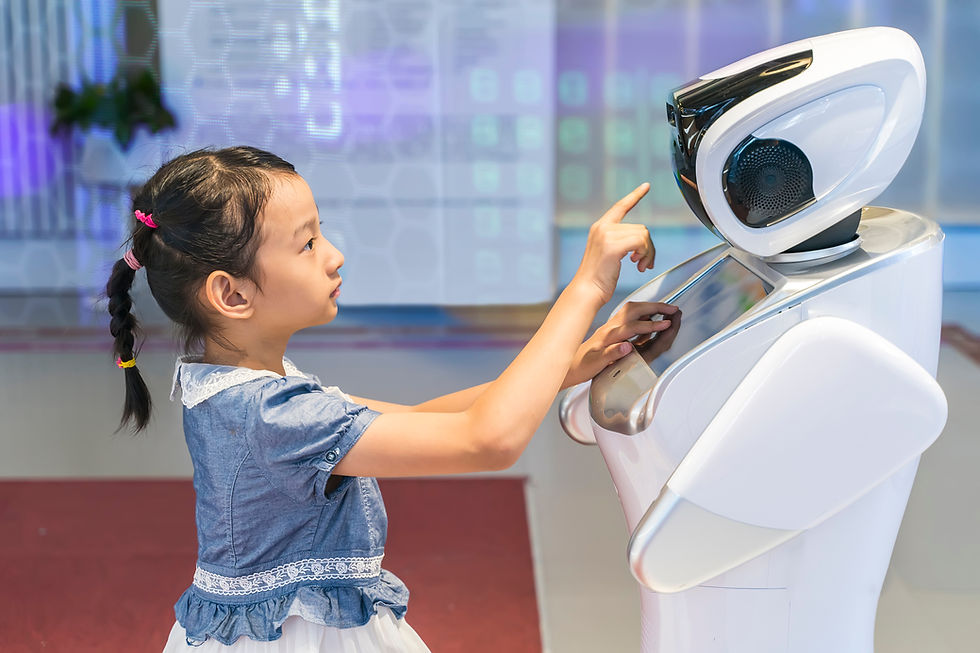
Opportunity:
Collaborative robots, or cobots, have become increasingly popular in recent years due to their ability to work alongside humans in a safe and efficient manner. However, current cobots still face limitations in terms of customization, adaptability, and communication with humans. This project presents an opportunity to develop a new generation of cobots that overcome these limitations and provide significant benefits to various industries.
The modular robot architecture developed through this project will enable the robots to be customized for specific tasks and easily scaled to meet changing demands. By integrating machine learning, computer vision, and sensor technology, the robots will be able to learn from human demonstrations and adapt to different environments, making them highly versatile and effective in a wide range of industries.
In addition, the development of intuitive user interfaces and natural language processing will enable easy and effective communication between humans and robots, allowing for seamless collaboration and improved productivity. By rigorously testing and validating the safety and reliability of the robots, we will ensure that they can operate in various environments without posing a risk to humans.
Ultimately, the successful completion of this project will not only lead to the development of innovative cobots but also create a significant business opportunity. The commercialization of this technology has the potential to generate revenue and create new job opportunities in the robotics industry. Overall, this project has the potential to transform the way humans and robots interact, leading to increased efficiency, safety, and productivity in various industries.


Comments